 EN
EN

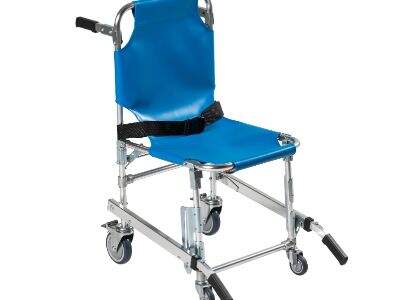
When it comes to helping folks in emergencies, the right tools are super important. Two usual tools for getting people out who need help are manual evacuation chairs and electric ones. Each kind has its good points and downsides. Knowing these can help you pick the best one for safety and comfort. HeRui sells both types, so facilities can choose what fits their needs best. This piece will check the differences between manual and electric evacuation chairs and talk about their pros and cons.
Manual vs. Electric
Manual evacuation chairs are run by people. They have wheels to go fast and safe. These chairs are usually lighter and easier to handle. Lots of people like that they don't need charging or plugging in. If the power goes out, a manual chair still works. But pushing it can tire the operator, especially if the person sitting is heavy or stairs are steep. Electric evacuation chair, on the other hand, use batteries. They can go up and down stairs with less work. This makes them good for spots with many stairs or if the person can't move easily. However, they need recharging and might break if not kept up well. Plus, they are heavier and cost more than manual ones usually. So, picking between manual and electric depends on the situation and user needs.
What Are the Pros and Cons of Manual Evacuation Chairs for Emergency Situations?
Manual evacuation chairs have good and bad sides. One big plus is they do not rely on electricity. You can use them any time, anywhere, which matters a lot in power outages. They are also often lighter than electric chairs, so easier to carry or store. Because of their simpler design, they are usually cheaper too. This is a plus for schools or small businesses watching their budget.
However, using a manual chair can be hard labor, especially if the person being helped is heavy or the path is tough. It tires the person pushing, and they might not move quickly. It also requires training so the user knows how to handle it safely and properly. The manual chair is harder on stairs, especially with many steps. If not used right, it can cause accidents. Despite these issues, manual chairs are a good choice for many places. They are reliable and straightforward, making them a solid pick for emergencies. HeRui’s manual chairs are designed to be user-friendly, so help is always ready when needed.
When buying electric evacuation chairs in bulk, there are some key things to think about.
First, consider the needs of your place. For example, if the facility has lots of stairs and no elevators, you might want emergency evacuation chair that are easier to carry. Electric ones can be heavy and may not suit everyone if they take up too much space or power. Another point is how many you need. Bulk buying often means a lower price, but only get what you really need. It’s good to check for a warranty too. This protects your purchase if something goes wrong with the chairs. Safety features are important, like strong brakes and simple controls. This ensures users are safe in an emergency. Plus, see how easy it is to charge them. They should plug in easily and recharge when needed. Training is key for using them properly. Make sure staff know how, especially since electric chairs have different controls than manual ones. Look for companies like HeRui that give training or resources. Finally, think about storage space. Electric chairs take more room than manual ones, so have a spot to keep them.
Now, let’s see how manual evacuation chairs stack up against electric ones for care facilities.
Manual ones are often lighter and easier to move than electric ones. This is useful in tight spaces or on common stairs. Manual chairs don’t need batteries or power, so there is no worry about charging in an emergency. But they require more strength. Staff need training to lift and carry safely. On the other side, electric chairs make evacuation easier because powered lifts and wheels help smooth movement. This helps for heavier people or when time is short. Electric chairs usually have safety features like belts and strong frames for protection. However, they are bulkier and pricier. The choice between them comes down to facility needs. For instance, if there are mostly flat floors and quick moves, electric might be better. But with lots of stairs or a tight budget, manual is more practical. It’s key to weigh both sides. HeRui has a range of both, so you can find the right one for your place.
Using manual and electric evacuation chairs needs some best ways to keep things safe and effective.
First, train all staff on both types. For manual chairs, practice lifting and moving correctly to avoid injuries. They should learn to secure the person with belts or straps. For electric chairs, focus on controls and charging the batteries properly. Regular practice builds confidence, which counts in emergencies when seconds matter. Another good way is to maintain the evacuation chair for stairs well. Check regularly for damage or wear. For electric ones, ensure batteries are charged and working. For manual ones, see that wheels roll smoothly and belts are okay. It’s smart to label them so everyone knows their location and can access them fast. In addition, clear and mark evacuation routes. Staff should know the best paths to safety. Finally, do regular drills. These let you practice in a safe setting and spot issues. HeRui suggests putting these into emergency plans for better preparation and safety. With this, using both chair types can be efficient and safe for all.
Table of Contents
- Manual vs. Electric
- What Are the Pros and Cons of Manual Evacuation Chairs for Emergency Situations?
- When buying electric evacuation chairs in bulk, there are some key things to think about.
- Now, let’s see how manual evacuation chairs stack up against electric ones for care facilities.
- Using manual and electric evacuation chairs needs some best ways to keep things safe and effective.