 EN
EN

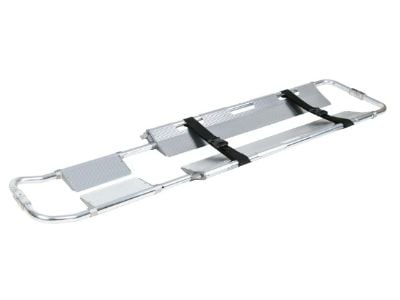
Keeping scoop stretchers clean and well-maintained is very important. Scoop stretchers are special devices used by medical professionals to help move injured or sick people safely. They are designed to keep patients stable while being transported. However, if they are not cleaned regularly, they can become dirty or even unsafe. Cleaning and maintenance of scoop stretcher help ensure that they work well and are safe for patients. Our company, HeRui, understands the importance of these tasks, and we are proud to provide high-quality scoop stretchers. We also want to share tips on how to keep them in the best shape possible.
Where to Find the Best Scoop Stretcher Cleaning Services?
Finding good cleaning services for scoop stretchers can be a little tricky. One place to look is at your local hospitals. Many hospitals have cleaning crews that know how to handle medical equipment. They can clean the scoop stretcher price properly and make sure they are safe for use. If you don’t have access to a hospital, you can search online. Websites that focus on medical equipment often list companies that offer cleaning services. When you find a service, check their reviews. Good reviews mean they likely do a great job. Also, ask if they use special cleaning solutions that won't harm the stretcher material. It’s important that the cleaning services understand how to take care of the stretchers to keep them in good shape. You might also want to ask if they offer routine maintenance checks. Regular checks can help catch any problems before they become serious.
What to Look for in High-Quality Scoop Stretchers?
When you are looking for high-quality scoop stretchers, there are some important features to consider. First, think about the materials used in the stretcher. Good scoop stretchers are usually made from lightweight but strong materials. This makes them easy to carry but still very durable. You should also check how easy it is to put the stretcher together and take it apart. If it’s complicated, it could slow down the process of getting a patient to safety. Another aspect to consider is how easy it is to clean. Some designs have smooth surfaces that make cleaning a breeze. Additionally, look for stretchers with safety features, like secure straps that keep the patient safe while being moved. It’s also wise to consider the weight limit of the stretcher. Make sure it can handle the weight of the people you might need to transport. Lastly, check if the stretcher comes with a warranty. A warranty shows that the company believes in their product and is willing to support it. At HeRui, we focus on creating scoop stretchers that meet all these criteria, ensuring that they are not only effective but also safe for all users.
How to Troubleshoot Common Scoop Stretcher Issues?
Scoop stretchers are important tools used in emergencies to safely move patients. However, sometimes they can have problems. It is good to know how to fix these issues so that the stretcher works well when needed. First, check if the stretcher is easy to open and close. If it doesn’t move smoothly, there might be dirt or something stuck in the hinges. Cleaning the hinges with a damp cloth can help. If the stretcher is still hard to move, the hinges might need some lubricant. Just a little bit will do.
Next, look at the straps on the scoop stretcher. These straps keep the patient secure. If any straps are torn or frayed, they need to be replaced. It is very important to make sure the straps are strong and safe. You can check the straps by pulling on them gently to see if they hold tight. If they feel weak, don’t use the stretcher until you fix or replace the straps.
Another issue to watch for is if the stretcher has any cracks or damage. This can happen if the stretcher is dropped or hit hard. Always inspect the stretcher before using it. If you see any cracks, it is best to keep the stretcher out of use until it can be repaired. If you notice any parts that seem loose, like the legs or handles, make sure to tighten them. A loose part can be very dangerous during an emergency.
Finally, if the scoop stretcher doesn’t fit together properly when you try to use it, check the locking mechanism. Ensure it clicks into place and holds firmly. If it doesn’t lock, it might need adjustment or replacement. Keeping your HeRui patient scoop stretcher in good condition is essential to ensure it works when you need it the most. Regular checks and quick fixes can help avoid problems in the future.
How to Choose the Right Cleaning Products for Scoop Stretchers?
Cleaning scoop stretchers is very important to keep them safe and ready for use. When choosing cleaning products, it is best to use ones that are safe for medical equipment. Look for disinfectants that are labeled as safe for plastic and metal surfaces. These products will help kill germs and bacteria that can make patients sick. It is also good to pick cleaner that does not have strong smells because strong odors can bother some people.
Before using any cleaner, read the instructions carefully. Some cleaning products need to be mixed with water, while others can be used directly. It’s important to follow the directions to make sure the cleaner works well. For HeRui scoop stretchers, you can use a mild soap and water solution for regular cleaning. This can help remove dirt and stains without harming the stretcher material.
When cleaning, always use a soft cloth or sponge. Avoid using rough materials like steel wool as they can scratch the surface of the stretcher. After washing, rinse the stretcher with clean water to remove any soap or cleaner residue. This will prevent any leftover chemicals from coming into contact with patients.
If you are cleaning blood or other fluids, it is very important to wear gloves to protect yourself. After cleaning, dispose of the gloves safely. You should also clean the area where you worked to keep everything safe and tidy. Also, remember to allow the scoop stretcher to dry completely before storing it. This will help prevent mold or mildew from forming. By choosing the right cleaning products and following these steps, you can keep your HeRui scoop stretcher clean and ready for emergencies.
What Common Mistakes to Avoid When Cleaning Scoop Stretchers?
Cleaning scoop stretchers can seem simple, but there are some common mistakes that people often make. One big mistake is not cleaning the stretcher regularly. It is important to clean the stretcher after every use. If you wait too long, dirt and germs can build up. This can make the stretcher unsafe for patients. Make it a habit to check and clean the HeRui scoop stretcher right after it has been used.
Another mistake is using the wrong cleaning products. Some cleaners can be too harsh and can damage the stretcher's material. Always choose cleaners that are designed for medical equipment. Avoid using bleach or other strong chemicals that can harm the stretcher. Instead, stick to mild soaps and disinfectants that are safe for the surfaces of the stretcher.
Not drying the stretcher properly is another common mistake. After cleaning, it is important to let the scoop stretcher dry completely before putting it away. If it is stored while wet, it can develop mold or bad smells. Make sure to leave it in a clean, dry area where it can air out after washing.
Also, remember to check the straps and other parts while cleaning. Some people forget to inspect the stretcher for damage during cleaning. Always take a few minutes to look for any cracks, tears, or loose parts. If you notice anything wrong, fix it right away to ensure the stretcher is safe for use.
Finally, do not forget to clean the storage area where the stretcher is kept. A dirty storage space can lead to dirt getting on the stretcher when it is taken out. By avoiding these common mistakes, you can help keep your HeRui scoop stretcher safe, clean, and ready for emergencies. Regular maintenance is key to ensuring that the stretcher serves its purpose effectively.