 EN
EN

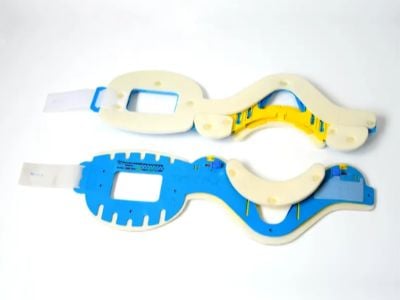
Understanding Cervical Collars Types, Selection, and Proper Use
Different Types of Cervical Collars
Cervical collars are essential medical devices designed to support the neck, reduce movement, and promote recovery after injuries or certain medical conditions. At HeRui, we offer a wide range of cervical collars to meet the needs of hospitals, rehabilitation centers, clinics, and wholesale buyers.
There are three main types of cervical collars. Soft cervical collars are made from comfortable foam and provide gentle support for minor neck strains, muscle tension, or mild sprains. They allow limited movement while helping reduce pain and encourage proper posture during recovery. These collars are commonly used for short-term rehabilitation and muscle relaxation.
neck collar provide stronger support and are manufactured from durable plastic with soft inner padding. They limit neck movement significantly and are recommended for more serious injuries, including fractures, post-surgical recovery, or severe cervical spine conditions. Their stable design helps protect the neck while healing takes place.
Immobilization cervical collars offer the highest level of support and are primarily used in emergency medical situations. They completely restrict neck movement to prevent additional spinal injuries following vehicle accidents, falls, or other traumatic events. These collars are frequently used by emergency responders and hospital trauma departments.
For wholesale buyers, understanding these different cervical collar options helps ensure the right products are available for various healthcare applications.
How to Choose the Right Cervical Collar?
Selecting the appropriate cervical collar depends on several important factors. The severity of the injury is the first consideration. Minor muscle strains usually require only a soft cervical collar, while fractures or serious spinal injuries demand rigid or immobilization collars under medical supervision.
Proper sizing is equally important. A cervical collar should fit securely without being too tight or too loose. Measuring the patient's neck height and circumference helps ensure the collar provides effective support while maintaining comfort.
The cervical collar expected duration of use also influences the best choice, some patients only require temporary support for a few days, while others may need long-term stabilization during rehabilitation. HeRui offers cervical collars in multiple sizes and designs to accommodate different treatment plans.
Comfort should never be overlooked. Features such as breathable materials, soft padding, lightweight construction, and adjustable fasteners help improve patient compliance by making the collar easier to wear throughout the recovery period.
When Is a Cervical Collar Needed?
Cervical collars are commonly recommended when neck stability and protection are necessary. Patients experiencing neck pain after an injury, difficulty moving their head, numbness or tingling in the arms, or suspected spinal trauma should seek immediate medical evaluation. Healthcare professionals determine whether a cervical collar is required based on physical examinations and diagnostic imaging.
Emergency situations, including car accidents, sports injuries, and serious falls, often require immobilization cervical collars until spinal injuries are ruled out. Individuals recovering from cervical spine surgery may also wear rigid cervical collars to maintain proper alignment during healing.
Certain chronic conditions, including cervical arthritis, degenerative disc disease, and spinal instability, may benefit from temporary cervical collar use to reduce pain and improve neck support. At HeRui, we understand the importance of selecting the appropriate cervical collar for each medical condition to support safe and effective recovery.
Common Misconceptions About Cervical Collars
Many people misunderstand how cervical collars should be used. Stretcher One common misconception is that all cervical collars are comfortable. While soft collars are generally more flexible, rigid and immobilization collars are intentionally designed to restrict movement, making them feel firmer during use.
Another misunderstanding is that wearing a cervical collar eliminates the need for follow-up medical care. In reality, regular evaluations by healthcare professionals are essential to monitor healing and determine when the collar should be adjusted or removed.
Some individuals also believe that prolonged cervical collar use always weakens the neck muscles. While unnecessary long-term use may reduce muscle activity, healthcare providers carefully recommend the appropriate wearing schedule based on each patient's condition. Following professional medical advice helps balance neck protection with rehabilitation exercises.
At HeRui, we are committed to providing high-quality cervical collars that combine safety, comfort, and reliable performance. By understanding the different types of cervical collars, choosing the correct model, recognizing when they are needed, and avoiding common misconceptions, healthcare providers and wholesale buyers can ensure better patient outcomes and long-term support.